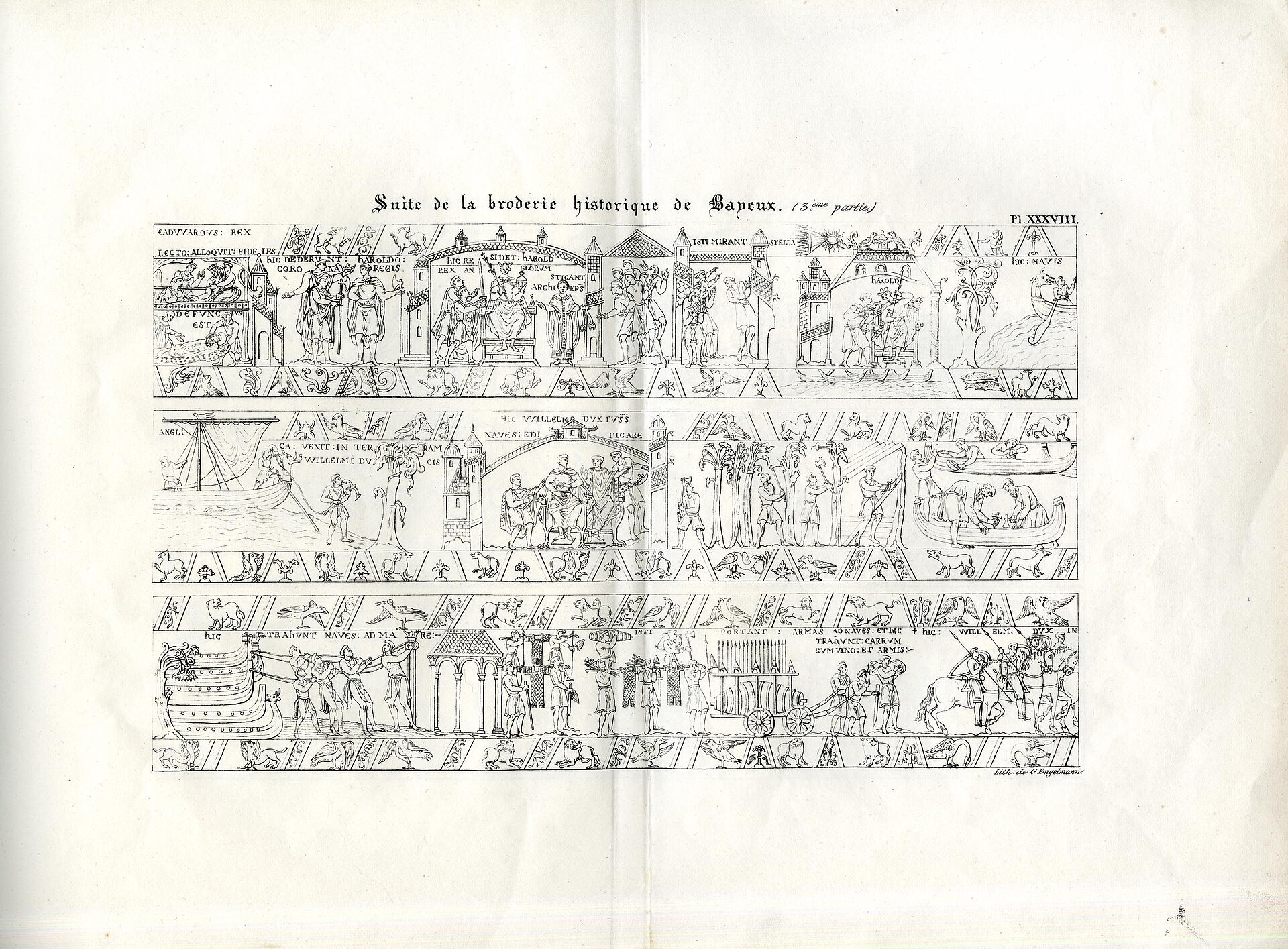
The British Museum’s attempt to offer early ticket access to residents of Hastings and Rye has backfired, with many locals reporting hours on hold and no guarantee of a seat to view the 70‑metre linen tapestry that arrived in the UK after a millennium of absence.
The museum advertised a pre‑sale for local residents, who were to call the box office and present proof of address. Instead, callers found themselves stuck on a “glitchy and shambolic” line, with one constituent waiting 2 hours 38 minutes before a ticket was booked and another on hold for 2½ hours. MP Helena Dollimore asked, “Why do my constituents have to work on a glitchy phone line when online booking is clearly possible for others?”
In contrast, VIPs—including pop star Maya Jama, Mick Jagger, and senior executives from Samsung and Bloomberg—attended star‑studded events in the tapestry room in September without difficulty. Tech billionaire Igor Tulchinsky and communications executive Rosanna Konarzewski were photographed in a Bayeux‑tapestry gown at a museum ball, while Peter Thiel received a private tour before the public opening. Guests of the One Aldwych hotel can view the tapestry by booking a £1,000‑per‑night room.
Dollimore said a constituent with an elderly parent was turned away because of a corporate event, highlighting a perceived prioritisation of corporate and celebrity access over local residents. She has unsuccessfully tried to secure tickets for herself and her family, and has only managed to secure entry for schoolchildren after lobbying the museum.
The public sale, which opened on 21 October, saw online queues of up to nine hours and a waiting list that swelled from 40,000 to almost 80,000 by mid‑afternoon. Adult tickets cost £33 during peak times and £27 otherwise, compared with €12 (£10) at the tapestry’s home in Bayeux.
A museum spokesperson explained that the pre‑sale was “not guaranteed access – it is on a first‑come, first‑served basis” and that all residents can still book tickets during the general sale.
Market analysis
The Bayeux tapestry exhibition has become a high‑profile cultural event, driving significant visitor traffic to the British Museum and associated hospitality sectors. The museum’s reliance on a telephone‑based booking system, rather than a robust online platform, has exposed a vulnerability that could erode public trust and reduce future attendance. The prioritisation of corporate and celebrity guests may generate short‑term media buzz but risks alienating local communities and could impact the museum’s reputation as a public institution.
For investors in the tourism and cultural sectors, the tapestry’s arrival has already stimulated spending on accommodation, dining and transport in the Hastings area. The high ticket prices relative to the French market suggest a premium pricing strategy that could sustain revenue, but any perception of inequity may dampen repeat visitation. The museum’s handling of the pre‑sale may influence future policy on community access to high‑profile exhibitions, potentially prompting regulatory scrutiny or calls for more transparent allocation mechanisms.
In the longer term, the tapestry’s popularity could justify expanded exhibition space or additional touring programmes, offering opportunities for partnership with local businesses and educational institutions. However, the current incident underscores the importance of reliable digital infrastructure and equitable access policies in maintaining the cultural sector’s commercial viability.