Lure of the Wilderness
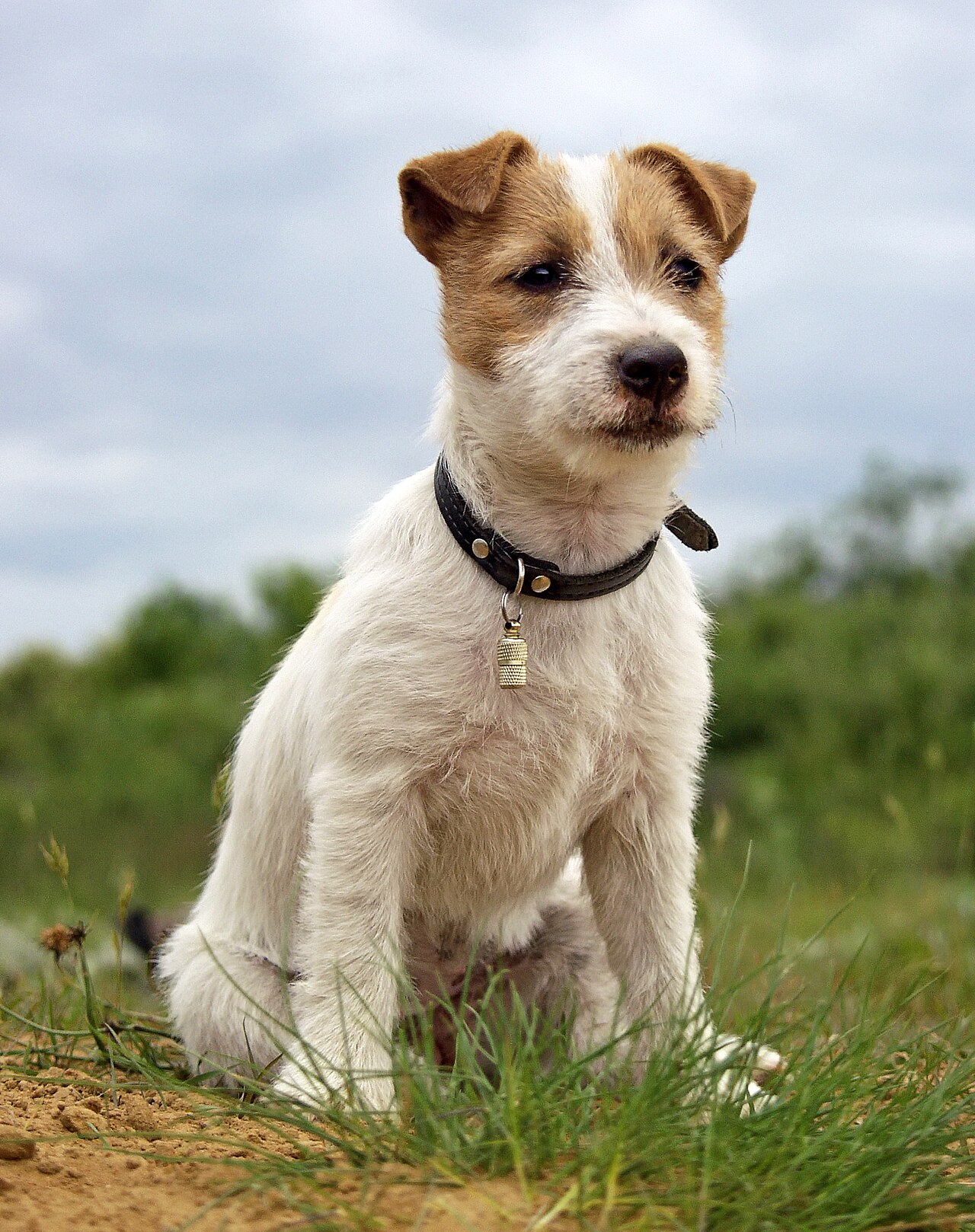
A 10‑year‑old Jack Russell terrier, Luna, vanished from a locked cabin in Yellowstone’s Canyon Village on 10 September. The owners, visiting from California, had left her inside with a “Do not disturb” sign, believing the door would remain shut. A housekeeping error, however, opened the door and Luna slipped away.
For more than a month, Luna roamed the 3,500‑square‑mile park, crossing roads, slipping through automatic doors, and even entering employee housing. She survived in an environment that could see temperatures drop from 52 °F to 31 °F in early autumn, while facing the threat of grizzly bears, wolves and coyotes.
A Community Effort
The search for Luna was revived after repeated sightings of a dog matching her description near places the owners had visited. Volunteer Katie Boucher, of the Norris Ark Training and Recovery Centre, led a rescue operation that culminated in Luna being caught in a live trap baited with scraps from a family T‑shirt and pillowcase.
A veterinarian found Luna underweight, having lost roughly 10 pounds, but otherwise healthy. Boucher said, “She’s alert and in good spirits,” adding that she was crying “all the way up here from the park.”
The Road to Home
Luna’s owners were relieved to see her again. The dog had spent her first year on the streets before being adopted, and her behaviour during the search suggested she was attempting to retrace her family’s steps. The reunion was described by Boucher as a “Disney‑ending,” a testament to the resilience of both pet and people.
Market analysis
The incident highlights the growing intersection between tourism, animal welfare and volunteerism in national parks. As visitation to Yellowstone continues to rise, the risk of lost pets increases, prompting park authorities to consider enhanced pet‑management policies, such as mandatory micro‑chipping and clearer signage for pet owners.
For the pet‑care industry, Luna’s story may drive demand for emergency pet‑rescue services and high‑quality live‑trap bait. Veterinary clinics in the region may see a rise in clients seeking post‑rescue care, including weight‑gain programmes and behavioural support.
Volunteer organisations like the Norris Ark Training and Recovery Centre could attract further funding and partnerships with national‑park agencies, positioning themselves as essential actors in wildlife‑friendly pet management. This, in turn, could influence insurance products tailored to pet owners travelling in remote areas.
In the broader context of wildlife tourism, the event underscores the need for clear communication about the risks of pets in natural habitats, potentially leading to new regulations that balance visitor experience with ecological safety.
A Broader Narrative
Luna’s survival story joins a growing list of remarkable canine rescues, from a dog lost on England’s tallest peak to a pet found after a 43‑day mountain search. These narratives not only inspire but also shed light on the practical challenges of pet safety in wilderness settings.
The case serves as a reminder that responsible pet ownership extends beyond the home, especially when venturing into protected natural areas.