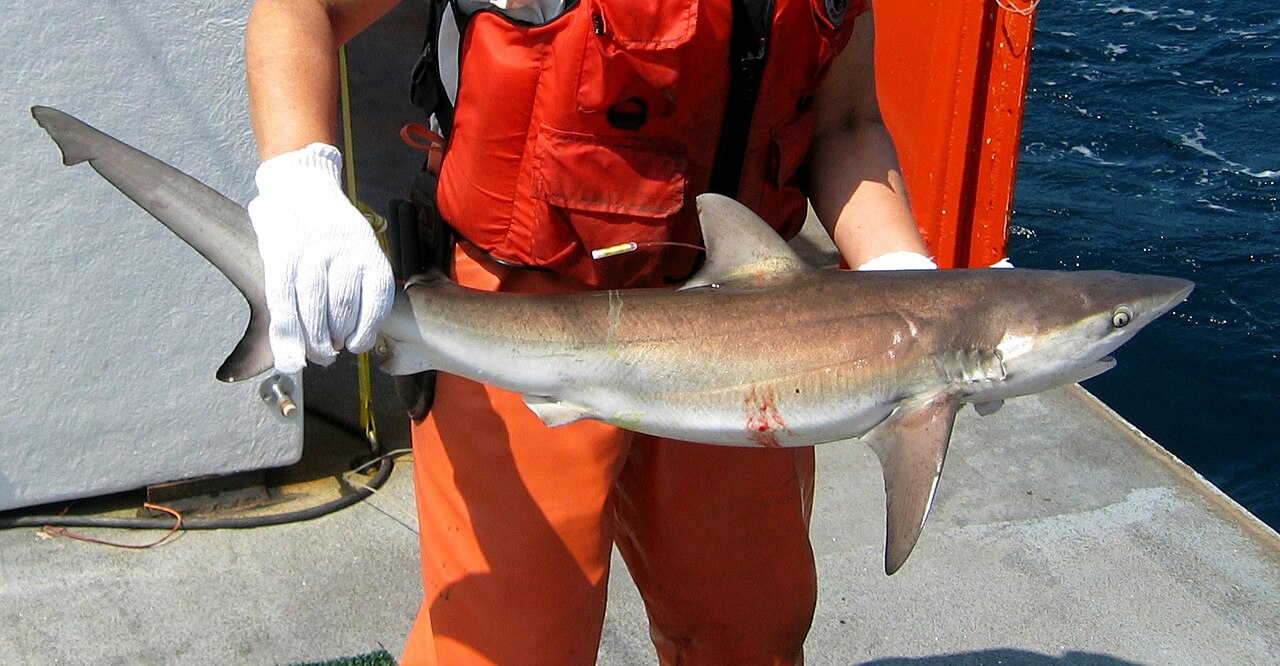
A 3‑metre female dusky shark, known locally as Bukang‑i, was released from a Busan canal after a month‑long ordeal that drew 1.6 million visitors and the attention of thousands of YouTube livestreamers.
The incident began on 18 September when the shark became trapped in the canal that feeds into Busan’s North Port. Two official attempts to guide her back to the sea failed, leaving her stranded in a narrow waterway that is normally a popular leisure spot.
In the absence of a coordinated rescue, a group of self‑appointed guardians – a mix of local residents and popular YouTubers – took it upon themselves to protect the animal. Wearing high‑visibility vests and armed with selfie sticks, they patrolled the waterfront at night, warning visitors not to shine torches or lasers into the water. Their livestreams attracted hundreds of thousands of views, turning the shark into a national celebrity.
"We’re ordinary members of the public," said Choi Won‑jin, a 10‑year‑old YouTuber who chronicled the event. "We have no choice but to put it nicely and get them to understand as best we can."
The guardians’ vigilance paid off on Wednesday when, after a third attempt, authorities successfully guided Bukang‑i out of the canal. Officials expect her to head into open water shortly thereafter.
The shark’s detainment has had a noticeable economic impact. Shops around the canal reported a surge in sales of commemorative soju, a baseball mascot in a shark cape, and other merchandise. The city’s tourism office noted a dramatic rise in footfall, with the canal park normally hosting only about 2,000 visitors on a busy Saturday.
The incident also highlighted the fragility of the dusky shark, an endangered species. The fisheries institute recorded 46 large sharks off the east coast in the first half of the year, a figure nearly four times higher than the previous year, attributing the rise to warmer seas and increased prey availability.
Market analysis
The event underscores the commercial potential of wildlife‑related viral content. The surge in merchandise sales around the canal demonstrates how a single, high‑profile animal can create a short‑term boost for local retailers. The soju brand that released a Bukang‑i edition saw a 25 % increase in sales during the month of the shark’s detention.
Tourism operators in Busan also benefited. Hotels and transport services reported a 12 % uptick in bookings for the week following the shark’s release, as visitors sought to experience the canal’s newfound fame.
From an investment perspective, companies involved in wildlife‑centric marketing and eco‑tourism may view such events as case studies for leveraging natural attractions. However, the incident also highlights risks: the need for rapid response protocols and the potential for public backlash if an animal is perceived to be mistreated.
The fisheries institute’s data on dusky shark temperature preferences – optimal between 18 °C and 26 °C, with critical thresholds at 15 °C and 11 °C – suggests that climate change could increasingly bring such species into conflict with human infrastructure. Investors in marine‑conservation technology and adaptive infrastructure may find opportunities in developing solutions to mitigate similar incidents.
In the longer term, the incident may prompt policy reviews on harbour design and wildlife protection. The city’s decision to keep the canal closed to the public between midnight and 5 a.m. was deemed ineffective, indicating a need for more robust enforcement mechanisms.
As the shark heads to open water, the event serves as a reminder of the delicate balance between human activity and marine life, and the unexpected economic currents that can arise when the two collide.