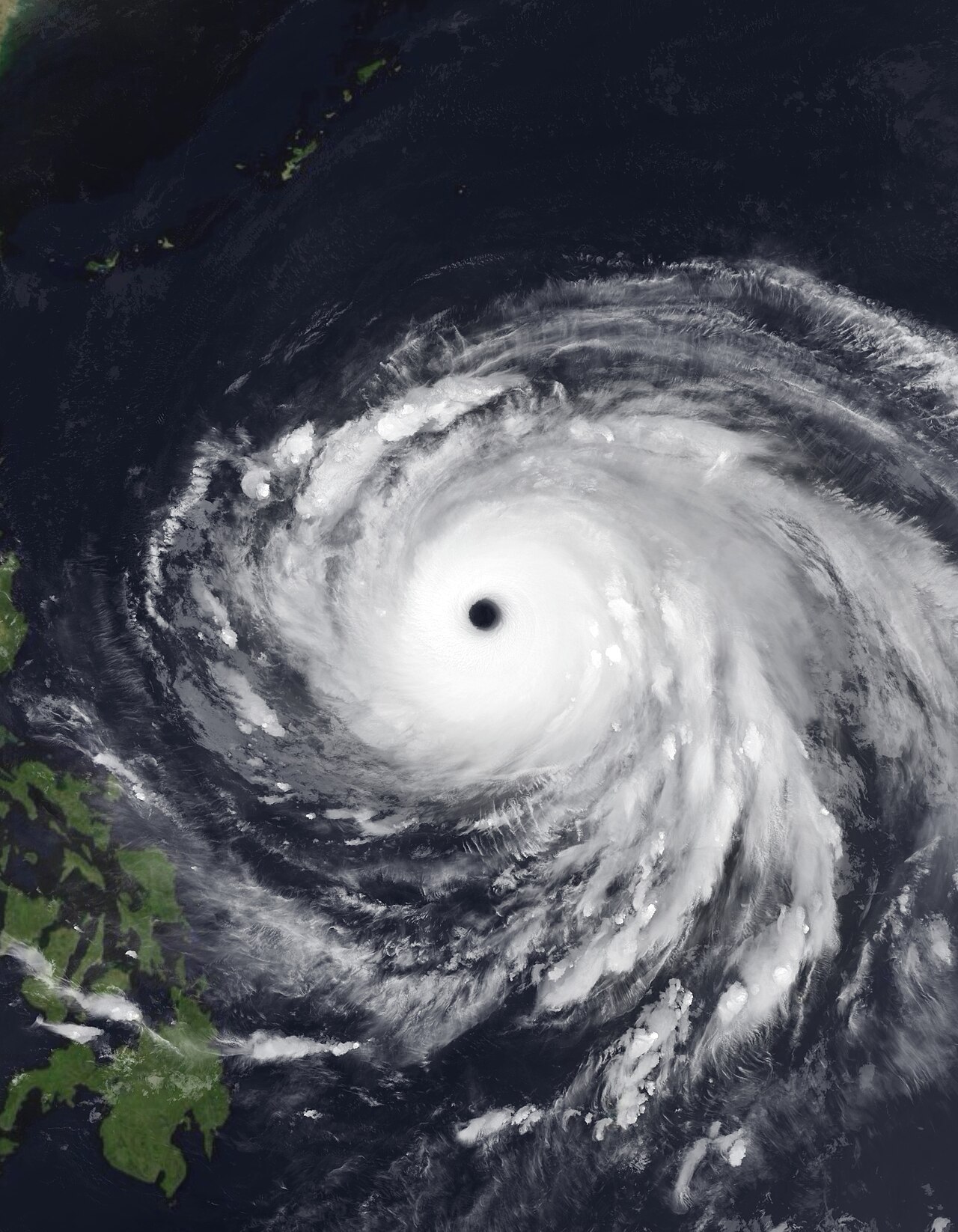
Super Typhoon Champi, the strongest storm recorded in 2026, is barreling across the Philippine Sea with gusts of up to 185 mph. The typhoon, now classified as a Category 5 equivalent, is on a west‑northwest track that will take it over Taiwan before it turns north toward China and later heads toward Japan’s southern islands.
The United States National Weather Service reports the system has already passed Guam and is approaching Taiwan. In response, Taiwan’s Central Weather Administration has issued both sea and land warnings, predicting the storm will strike the island on Friday and Saturday. Over 125 flights, predominantly domestic, have been cancelled, and coastal residents have received mobile alerts.
Taiwan’s President Lai Ching‑te urged the public to avoid mountainous and coastal areas, saying, “A little more preparation means less risk.” He posted the message on his Facebook page.
El Niño is amplifying the intensity and frequency of Pacific storms. The phenomenon shifts wind patterns and raises sea‑surface temperatures, both of which favour typhoon formation. Scientific American notes that while the Atlantic sees fewer hurricanes during El Niño, the Pacific experiences the opposite trend.
Beyond the immediate impact, El Niño is expected to raise sea levels along the western coast of the Americas, from Alaska to Chile, increasing flood risk. Europe may face wetter, stormier winters, while the Southern Hemisphere could experience drought.
Market analysis
The arrival of a Category 5‑equivalent typhoon has immediate implications for the regional aviation sector. Airlines operating in Taiwan, China and the Philippines have already grounded dozens of flights, signalling a short‑term revenue hit and potential supply‑chain disruptions for cargo services. Shipping lanes in the western Pacific will also be affected, as vessels are likely to reroute to avoid the storm’s path, potentially increasing freight costs.
Infrastructure firms and insurers in the affected countries may see a surge in demand for storm‑resistant construction and emergency response services. The heightened risk could prompt governments to accelerate investment in coastal protection and early‑warning systems, creating opportunities for engineering and construction companies.
Investors monitoring the energy market should note that El Niño‑driven weather can influence oil and gas supply chains. For instance, shipping delays and port closures in East Asia could tighten regional crude oil demand, exerting upward pressure on prices.
In the longer term, the pattern of intensified Pacific storms may lead insurers to reassess risk models for the region, potentially raising premiums for businesses and homeowners in vulnerable coastal zones.
The situation underscores the growing commercial stakes of climate‑driven weather events, as companies and governments alike must adapt to more frequent and severe storms.