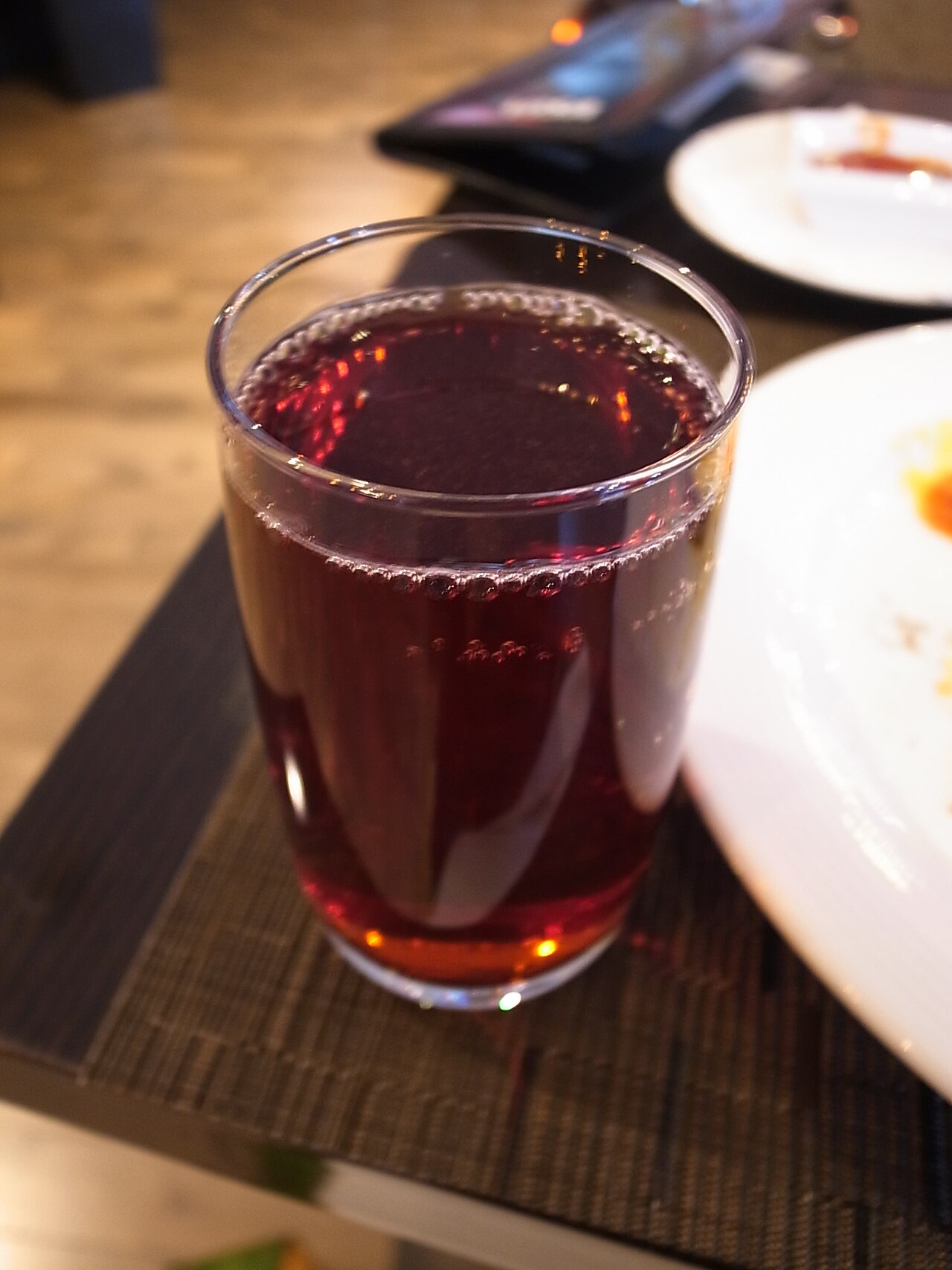
A recent experiment conducted at the University of Illinois Chicago’s College of Dentistry suggests that a simple glass of pure cranberry juice could become a useful ally against tooth decay.
The research, led by Professor Christine Wu, tested the effects of three beverages on dental plaque in a small group of children and adults. Participants were randomly assigned to drink either unsweetened 100 % cranberry juice, a commercially available cranberry cocktail containing 27 % juice and added sugar, or plain water. After a night of plaque accumulation, plaque samples were taken from the participants’ teeth, they rinsed, swished with their assigned drink, and then had a second set of samples collected 30 minutes later.
The findings were clear: plaque exposed to pure cranberry juice grew more slowly and produced less acid than plaque that had not been exposed. The sugary cranberry cocktail did not show the same benefit, and water, of course, had no effect. Wu explained that the key ingredient in cranberries is a group of anti‑inflammatory compounds called proanthocyanidins, which are already known to prevent bacteria from attaching to urinary tract cells.
"Just like sugar damage is linked to diet, I’m interested in how the food and beverages we consume can help combat the harmful bacteria and benefit our oral health," Wu said. "The fact that a common beverage can reduce plaque regrowth and acid production is exciting, especially since other popular juices such as orange or apple do not offer these benefits."
The study’s design—using commercially available drinks and involving human subjects—sets it apart from earlier laboratory‑based cranberry research, which often used concentrated extracts. Wu noted that the limited number of participants and the short observation period mean that further trials are necessary before cranberry juice can be recommended as a routine oral hygiene aid.
Nonetheless, the researchers are optimistic about the potential of cranberry juice as a “functional beverage.” Wu suggested that adding a sugar substitute could make the drink more palatable while preserving its anti‑plaque properties.
The results, published in the peer‑reviewed journal Scientific Reports, open the door to new products aimed at oral health. While the study does not yet warrant a prescription for daily cranberry consumption, it does provide a scientific basis for considering unsweetened cranberry juice as part of a balanced diet that supports dental well‑being.
Market analysis
The dental care industry is increasingly looking toward functional foods and drinks that offer health benefits beyond basic nutrition. If further research confirms the anti‑plaque effects of cranberry juice, manufacturers of juice and beverage products could position pure cranberry as a niche market for consumers concerned about oral health. This would create a new segment within the functional beverage market, potentially driving sales of unsweetened cranberry products and encouraging innovation in flavour‑enhancement technologies that maintain the health benefits while improving taste.
For investors, the growing trend toward preventative health products suggests that companies with a strong research‑and‑development pipeline in functional drinks could see a competitive edge. Dental care brands might also explore partnerships with juice producers to develop co‑branded products, tapping into the rising consumer demand for natural, science‑backed health solutions.
In the broader context of public health, promoting cranberry juice as a mouth‑cleanser could reduce the prevalence of dental caries, particularly in populations with limited access to professional dental care. Public health agencies might consider incorporating such findings into dietary guidelines, potentially influencing school lunch programmes and community health initiatives.
Overall, while the current evidence is preliminary, the intersection of nutrition science and dental health presents a promising avenue for both product innovation and public health improvement.